How Is a New Hat Made to Look Twenty Years Old?

Behind Hollywood’s Hats
How do costume artists take a brand-new hat and make it look as though someone has worn it every day for twenty years?
They do not simply throw it in the dirt.
In film and television, deliberately aging a costume is often called breakdown. Breakdown artists use dyes, paint, distressing techniques, and other treatments to take away the unmistakable freshness of something new. Their job is to make the costume look believable and help tell the character’s story.
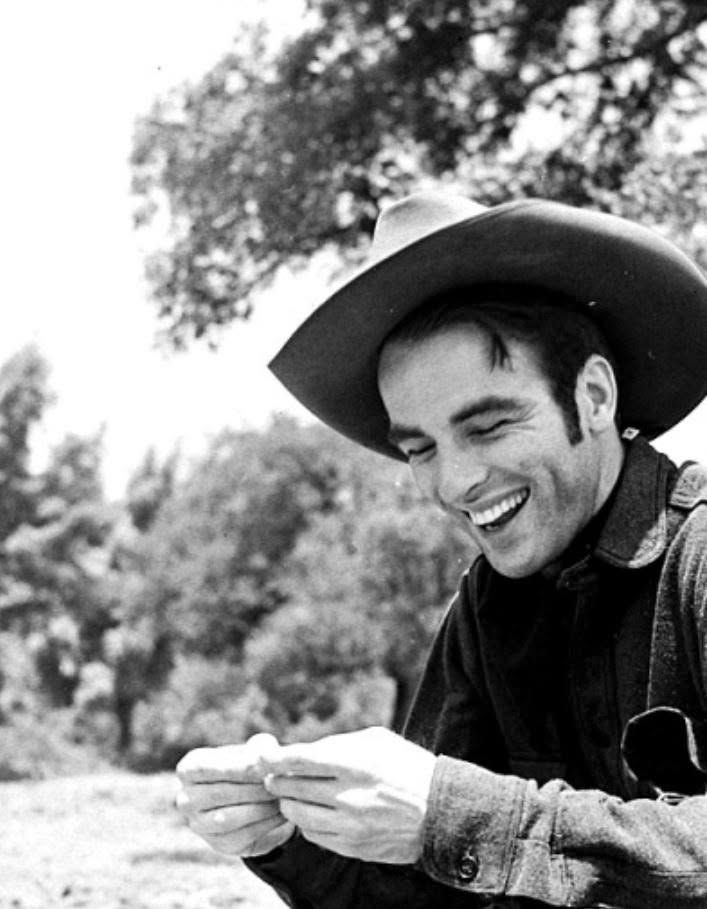
A felt hat being shaped by hand.
The Hat Needs a History
Before anyone changes the hat, the costume team has to decide what kind of life it is supposed to have lived.
A rancher’s hat might show years of sun, sweat, dust, wind, and handling. An old city hat owned by a careful person might still be brushed, shaped, and protected. A hat put through a few days of hard use should not look the same as one that has slowly aged over twenty years.
That difference matters because wear tells part of the character’s story.
Where does the character live? Is the climate hot and dry, cold and wet, or somewhere in between? Do they handle the hat carefully, or grab it by the crown every time they take it off? Is it worn every day for work or brought out only for particular occasions?
Making Wear Look Natural
For a hat, the first step may simply be removing its factory-perfect appearance. The crown might be reshaped, the brim softened, and the color made slightly uneven. Wear can be added where the character would naturally touch it. Sweat marks, fading, rain stains, dust, and grime may follow, but only where they make sense.
The goal is not simply to make the hat dirty. The wear has to look natural, as though it built up over time.
Instead of applying one heavy layer of grime, artists may build the effect gradually with color and texture. The exact method depends on the material, the filming conditions, and how closely the camera will see the hat. Felt, straw, leather, cloth, ribbon, and feathers will not all age in the same way.
Old Enough for the Camera, Strong Enough for the Set
The work also has to be practical. A hat may need to survive weeks or months of filming. It could be exposed to rain, dust, stunt work, repeated reshaping, and constant handling. The costume team must make it look old without weakening it so much that it can no longer do its job.
Then there is another challenge: the production may need more than one hat.
Additional copies may be required for stunt performers, different head sizes, location filming, damage scenes, or replacements. Each version has to look close enough to the others that viewers believe they are seeing the same hat.
When One Hat Becomes Thirty-Six
The Indiana Jones films offer a striking example.
Adventurebilt Hat Company confirms that it was chosen to make the brown fedora for Harrison Ford in Indiana Jones and the Kingdom of the Crystal Skull. According to a detailed account published by the Indiana Jones costume-research site IndyGear, six hats were first ordered for testing. More followed as the production needed stunt sizes, replacements, and a separate gray travel hat.
IndyGear reports that 36 hats were made for the production in total, although some were given as gifts or ordered by production members rather than worn by Harrison Ford.
The hats also had to match one another closely. The same account describes the attention paid to crown height, brim dimensions, felt, ribbon, shaping, and overall appearance. Hats that lost some of their shape during shipping were reshaped in Los Angeles, and hat boxes were ordered to protect them during location filming.
That does not mean all 36 hats were distressed in exactly the same way or that all of them appeared on screen. It does show how much work can sit behind what the audience sees as one familiar battered fedora.
Continuity Through the Character’s Journey
Continuity gets even trickier when the hat changes as the story moves along. The costume team may need one version that looks new, another with a little dust, another that has been soaked by rain, and another showing heavier wear or damage. Each hat has to match the right point in the character’s journey.
Even a small mismatch can give the illusion away: a mark that moves across the brim, a sweat stain that disappears, or a crown that suddenly changes shape. Keeping those details consistent is part of the costume department’s work, with specialists brought in when the job calls for them.
The best breakdown work is often invisible. Viewers do not stop to think about the dye, dust, reshaping, or careful matching. They simply believe the character has owned the hat for years.
A new hat can be made to look old in a day. Making it look as though it aged naturally is the real skill.
When you see a battered hat on screen, do you notice the damage or the life behind it?
Sources
ScreenSkills, “Costume Designer in Film and Television Drama”. Includes the role of the breakdown artist and describes distressing, dyeing, and aging techniques used to make costumes look worn and believable.
ScreenSkills, “Costume Supervisor Skills”. Covers costume aging, distressing, maintenance, specialist work, stunt doubles, and continuity.
Adventurebilt Hat Company, “Adventurebilt and Indiana Jones”. Confirms that Adventurebilt was chosen to make the brown fedora for Harrison Ford in Indiana Jones and the Kingdom of the Crystal Skull.
IndyGear, “The AB Story”. A detailed account of the testing, production, matching, reshaping, transportation, and reported total of 36 Adventurebilt hats made for the film.