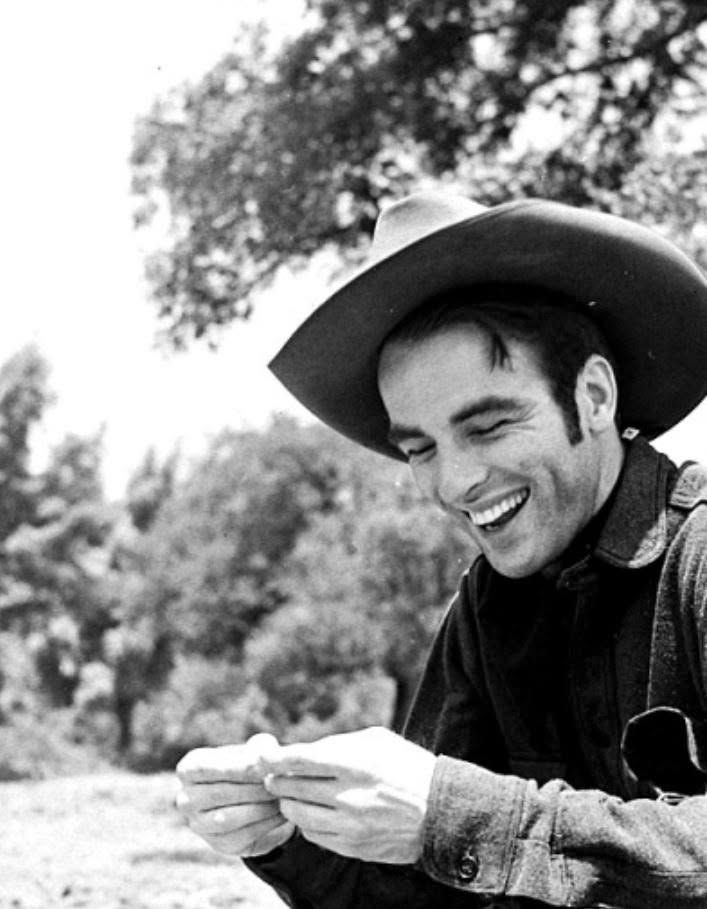
What Happens When an Actor Sweats Through a Hat?

Behind Hollywood’s Hats
By the fifth or sixth take, the hat may no longer feel the way it did that morning.
The actor has been running, standing under lights, or repeating the same scene in summer heat. The sweatband is damp. The lining is beginning to hold moisture. If the hat becomes wet enough, a darker mark may start creeping around the outside of the crown.
At that point, the costume department has more than a sweaty hat to deal with. It has a comfort problem, a maintenance problem, and possibly a continuity problem.
Heat and exertion can quickly turn perspiration into a clothing and equipment problem.
Is the Sweat Supposed to Be There?
If the character has been walking through a desert, working outdoors, fighting, or trapped in a hot room, a perfectly dry hat might look out of place. Sweat and grime can help sell the scene.
But when the perspiration belongs to the actor rather than the character, the costume team has to keep it from changing what the camera sees.
What Perspiration Does to a Hat
A hat’s sweatband provides the first line of defense. On many traditional felt hats, that band is leather. It helps with fit and comfort, but it also absorbs moisture before it reaches the felt, ribbon, and outer crown.
It can only absorb so much.
As the band becomes damp, the hat may begin to feel tighter or sit differently on the actor’s head. Stetson advises turning down a leather sweatband occasionally so it can dry. The company also warns that heat and perspiration can contribute to shrinkage. On a film set, even a small change in fit can matter. A hat that sat at one angle in the morning cannot suddenly ride higher in a close-up filmed after lunch.
The moisture may dry, but sweat and skin contact leave salt and oils behind. Over time, those residues can stain and stiffen the leather sweatband and slowly wear it down. Sweat is largely water, but it also contains sodium, chloride, and other substances. Conservation guidance notes that salts from perspiration can remain as crystalline deposits on leather.
The Standby’s Quiet Work
That is where the costume standby comes in.
The standby works near the camera, watching the performers and their clothing between takes. The job is practical but also personal. A performer may already be hot, tired, and surrounded by crew members.
The hat has to be checked, removed, dried, or replaced without turning an ordinary physical reaction into an embarrassing production event.
ScreenSkills describes the costume standby as the costume department’s on-set representative. The standby looks after the performer’s comfort, handles maintenance needed during filming, and keeps accurate records of costume continuity. Discretion and sensitivity around performers are also part of the job.
Between takes, the hat can come off for a few minutes to dry. The sweatband may be turned outward to let trapped moisture escape, while the costume team checks the lining, ribbon, crown, and brim for damp marks beginning to show.
Cleaning is not always the immediate answer.
A mark that looks unwanted in one moment may already have appeared in the previous shot. Removing it could create a continuity error. The team first has to establish what the hat looked like when the scene started and what it is supposed to look like at that point in the story.
This is where the costume photos and notes really matter. If the sweat stain is dark in one shot, it should not be faint or gone in the next. Most people may never notice exactly what changed, but they will still know something does not look right.
ScreenSkills specifically places cleaning decisions, daily costume records, maintenance, damage checks, and continuity within the standby team’s responsibilities.
When a Spare Hat Takes Over
A production with duplicate hats has another option. The damp hat can be removed while a matching copy takes its place.
That sounds straightforward until the two hats are placed side by side.
One may have softened from wear. Its crown may sit slightly lower, its brim may have developed a subtle curve, or the actor may have molded it through repeated handling. A fresh duplicate can look surprisingly new, even when it was made to the same measurements.
The replacement, therefore, has to be shaped, positioned, and aged to match the hat already seen on camera. ScreenSkills advises costume departments to plan the repeats needed for stunt performers, doubles, and different stages of costume breakdown.
This is one reason productions may need more than one copy of an important costume piece, not only for stunts or damage scenes, but because clothing and headwear are being worn by real people through long working days.
A spare hat can solve the problem, but not every production has one waiting. Some may have several matching copies to rotate through the day, while others have to keep the same hat dry and camera-ready.
Using duplicate hats specifically to manage perspiration is a practical possibility, not a rule followed by every production. Much depends on the budget, the hat’s importance to the story, its material, the filming conditions, and how closely the audience will see it. ScreenSkills notes that costume procedures and resources vary according to the scale, budget, and type of production.
When Sweat Is Part of the Story
The situation changes when the sweat is part of the performance.
Imagine a character crossing a hot landscape. At the beginning of the sequence, the hat may be dry and neatly shaped. Later, the sweatband darkens. Dust gathers along the brim. By the end, the crown may be stained, softened, or misshapen.
The audience sees one hat slowly changing.
Behind the camera, those stages may be represented by several carefully prepared hats: one dry, one lightly marked, another heavily stained, and perhaps a final version showing more serious wear and tear.
Because scenes are rarely filmed in story order, the most battered hat might be used in the morning and the cleanest one after lunch.
Each version has to belong to the right moment.
Where a visible sweat effect must remain consistent, the costume department may create and control the mark as part of the costume’s breakdown instead of waiting for the actor to perspire naturally. That is a reasonable inference from standard breakdown and continuity practice, rather than a universal method used on every production. ScreenSkills assigns costume aging, distressing, servicing, and continuity to the costume department and its specialists.
Real sweat does not appear on command, spread evenly, or remain unchanged between takes. A controlled effect can be repeated and photographed, while the actor’s actual perspiration continues to be managed inside the hat.
The best work is almost invisible.
The viewer sees a tired, overheated character and believes the hat has been through the same ordeal. No one stops to think about the damp sweatband being aired between takes, the duplicate waiting nearby, or the continuity photograph showing exactly where the stain should end.
But once an actor sweats through a hat, that small piece of costume demands a surprising amount of attention.
It has to protect the performer, survive the filming day, match the surrounding shots, and still tell the right part of the story.
Even after filming wraps, the hat may still bear the shape of the actor’s head, the sweat and handling of long days on set, and the wear added for the character.
Then production ends, and a new question takes over:
Who gets to keep it?
Sources
ScreenSkills, “Standby Costume Assistant Skills”. On-set performer care, maintenance, cleaning decisions, costume repeats, repairs, discretion, and continuity.
ScreenSkills, “Assistant Costume Designer Skills”. Costume repeats and doubles, fitting photographs, costume records, maintenance, cleaning, repairs, breakdown, and continuity planning.
ScreenSkills, “Costume Supervisor Skills”. Budget and resource differences between productions, maintenance, cleaning, aging, distressing, storage, and continuity.
Stetson, “Frequently Asked Questions: Felt Hat Care”. Guidance on drying leather sweatbands and protecting felt from perspiration and heat.
Cleveland Clinic, “What Is Sweat and Why Do We Sweat?”. Explains that sweat is mostly water but also contains sodium, chloride, lipids, proteins, and other substances.
Canadian Conservation Institute, “Care of Alum, Vegetable and Mineral-Tanned Leather”. Discusses moisture-related hardening and crystalline deposits left by perspiration salts on leather.